Showing posts with label Blood Sugar. Show all posts

Friday, April 18, 2014

Fasting Blood Sugar Test and Other Tests

How fasting blood sugar test done?

Fasting blood sugar test or FBS is a test for blood sugar levels. Glucose is the main blood monosaccharide. Its measurement is for the diagnosis of diabetes mellitus. Fasting, because the patient must fast for 8-12 hours before the test. Fasting is crucial to come up with reliable laboratory results and thus - diagnosis.

How fasting blood sugar test done?


First If the test is requested, the patient should contact the health workers responsible for the sampling.

Two . Given the right instructions. The instructions may vary if it is carried out simultaneously with other tests FBS. Examples: If the Test block Triglyceride , fasting would be 12-14 hours. When the electrolyte is formed , the water can not be tolerated.

Three . Fasting usually starts after dinner. From 7.00 to 07.00 clock . Nothing eats, sweets , coffee, tea or a drink .

April . Posted 7 clock , the patient should be in the lab .

May After blood drawn , labeled and coded.

6th The patient can eat after blood collection .

7th Not be shortened or extended fasting hours.

Other tests that can be carried out with the glucose in the diagnosis of diabetes mellitus (DM) , are :
First Test 2 hours after the intake of food (2 - hppt )

This is the most sensitive for the diagnosis of diabetes mellitus parameters. Is it because normal two hours after a meal ( postprandial) glucose levels in normal people .

Blood sugar levels in the normal adult blood :

Orthotoulidine method = 60-110 mg / dL
Nelson - Somogyi method = 80-120 mg / dL

Two . Oral glucose tolerance test (OGTT )

fasting blood sugar level chart
The patient swallows a glucose load / challenge or solution. Then samples are collected in 30 minutes or an hour intervals. The results were compared with standard results to normal patients .

Three . The intravenous glucose tolerance test ( IVGTT )

This is the same as OGTT . The difference is that the load of glucose injected intravenously. People with gastrointestinal problems used IVGTT . The results are interpreted as SOG .

April . A1C (hemoglobin A1C ) .

This test is a measure of patient adherence to drug treatment. If the patient is taking their medication properly , the result would be normal. If the patient does not comply with the drugs , then the result is high.

High Blood Sugar Symptoms List

High Blood Sugar Symptoms  List

High blood sugar symptoms, known as hyperglycemia usually occur when the body does not function properly the production of insulin or the insulin. For people with diabetes, it means that blood sugar levels do not go into the correct cells and instead stays in the blood, thereby reducing blood sugar levels in the blood (Level B / S). Ideal values ​​B / S in the range of 90 to 130 mg / dl before a meal.

If levels of B / S remain high for several hours can lead to dehydration and other serious problems. If the levels of the B / S remain high for a longer period of time, say several years, can cause damage to many of the body organs. It is not uncommon variations in the height of the B / S that occur in people with diabetes every day, nailing from lows to highs and diabetics understand the importance of control levels through diet, exercise and medication (if prescribed). It is important that everyone knows the symptoms of high blood sugar levels and know when to seek medical treatment.

Symptoms of high blood sugar can be very mild or develop at an extremely slow pace. You can even high blood sugar levels, but do not experience any symptoms. However, the most common symptoms include:

• Always be hungry
• Always be thirsty
• Dry mouth
• Employed to urinate with
• dry, itchy skin
• Fatigue or extreme tiredness
• Recurrent infections
• Impotence
• Slow healing of wounds
• Unexplained weight loss

If left untreated for several hours of high B / S levels may experience the following symptoms:

• Dehydration
• Shortness of breath
• Rapid weight loss
• dizziness when standing up
• dizziness and confusion
• Loss of consciousness

There are a variety of reasons why you may have symptoms of high blood sugar, such as:

• Diet
• Emotional stress
• Certain health conditions
Concentrated • Lack of exercise
• Certain medications
• Some food supplements

high blood sugar symptoms list
If you find you are one of the symptoms of highblood sugar levels that I mentioned, you should contact your doctor immediately so that the B / S levels tested and treated properly to contact. Since there are a variety of serious health risks, it is with long-term symptoms of hyperglycemia highly recommended that you that you can learn for a proper diagnosis of the symptoms of high blood sugar your doctor.

Some of the recommendations can do by your doctor to relieve the symptoms of hyperglycemia are:

• Set or even change the drug or the dose levels
• Initiation of a proper diet and eating habits
• The inclusion of a consistent training program

• The use of assessment frequent blood sugar tests

Sunday, April 13, 2014

Fasting Blood Sugar And Other Tests

How Fasting Blood Sugar Done?


Fasting blood sugar or FBS is a test for blood sugar levels. Glucose is the main blood monosaccharide. Its measurement is for the diagnosis of diabetes mellitus. Fasting, because the patient must fast for 8-12 hours before the test. Fasting is crucial to come up with reliable laboratory results and thus - diagnosis.
First If the test is requested, the patient should contact the health workers responsible for the sampling.

Two . Given the right instructions. The instructions may vary if it is carried out simultaneously with other tests FBS. Examples: If the Test block Triglyceride , fasting would be 12-14 hours. When the electrolyte is formed , the water can not be tolerated.

Three . Fasting usually starts after dinner. From 7.00 to 07.00 clock . Nothing eats, sweets , coffee, tea or a drink .

April . Posted 7 clock , the patient should be in the lab .

May After blood drawn , labeled and coded.

6th The patient can eat after blood collection .

7th Not be shortened or extended fasting hours.

Other tests that can be carried out with the glucose in the diagnosis of diabetes mellitus (DM) , are :
First Test 2 hours after the intake of food (2 - hppt )

This is the most sensitive for the diagnosis of diabetes mellitus parameters. Is it because normal two hours after a meal ( postprandial) glucose levels in normal people .

Blood sugar levels in the normal adult blood :

Orthotoulidine method = 60-110 mg / dL
Nelson - Somogyi method = 80-120 mg / dL

Two . Oral glucose tolerance test (OGTT )

fasting blood sugar level
The patient swallows a glucose load / challenge or solution. Then samples are collected in 30 minutes or an hour intervals. The results were compared with standard results to normal patients .

Three . The intravenous glucose tolerance test ( IVGTT )

This is the same as OGTT . The difference is that the load of glucose injected intravenously. People with gastrointestinal problems used IVGTT . The results are interpreted as SOG .

April . A1C (hemoglobin A1C ) .


This test is a measure of patient adherence to drug treatment. If the patient is taking their medication properly , the result would be normal. If the patient does not comply with the drugs , then the result is high.

Monday, April 7, 2014

Blood Sugar Monitoring

Blood Sugar Monitoring

If you just find that you have diabetes, then it is a major concern for you and how to control blood sugar monitoring, and what to do to control it? Controlling your bloodsugar level in the blood is a little difficult, but that is not an impossible task. You just have to change your lifestyle a little bit and can take accordingly by controlling blood sugar levels and nutrition many of their diabetes problems to solve.

If you have type 1 diabetes, you will find that your doctor tells you to to monitor your level of three times a day and also tell the time of assessment, for example, in the morning, after lunch and before dinner. After analyzing the results to your doctor is in a better position to assert that a good diet and medication to help you control your blood sugar monitoring.

People with type 2 diabetes often test their blood sugar 3-5 times a day. Even if you are using insulin, but the control of your blood sugar levels in the blood can tell you when to take insulin and what should be their number?

blood sugar monitoring kit
That does not mean much to the measurement or how often you check the device your blood sugar glucose? You must have adequate records of their tests to analyze your diet plan again and try to see to keep your blood sugar levels in the blood to make the improvements that have been made, or if you do not improve, you should.


Nowadays there are tools for measuring glucose did keep track of their tests and some of them can store up to 300 test results, so that you can almost see, improving your entire month.

Blood Sugar Levels Chart - What is a Normal Blood Sugar Range?

Blood Sugar Levels


If you found that pre-diabetic or diabetic, among the first things that you need to learn is to normal blood sugar levels Chart, abnormal blood sugar levels, and how to control your blood sugar. The following table sugar levels in the blood, it becomes easier for you.

Glucose is the main source of energy for human cells, is a type of sugar that enters your body when you foods that consume rich in carbohydrates. Blood sugar levels by insulin, a hormone that is produced in the pancreas and released into the bloodstream, regulated when blood glucose levelsrise.

Measure has never been easier using your blood sugar level chart. There are literally dozens of types of meters that can be used at home or that during the trip, you can easily and conveniently measure your blood sugar levels. Your doctor may also recommend a sophisticated monitoring device that is also easy to use, if you need more information than is available from a meter.

The following is a simple blood sugar chart gives you an idea of ​​the values ​​that should show in order to stay healthy and avoid dangerous complications from diabetes:

- Normal glucose range is between 70 and 150 mg, these values ​​are generally lower in the morning and rises after meals.

- Regardless of the last time you ate, a random result of 200 mg / dL or higher means you have diabetes.

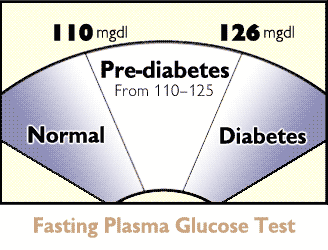
- Taken A level of fasting blood sugar, for example, when you wake up in the morning, should be 70-99 mg / dL If 126 mg / dl or more who have diabetes you have to be.

blood sugar levels chart by age
By monitoring their blood sugar levels in the blood, it is crucial that you observe any patterns in the readings and be sure to increase the types of foods, drugs or undesirable activities or decrease in their readings.


Diabetes is a serious illness can have a devastating effect on the entire body, including the eyes, kidneys, nerves, hearing, ultimately to blindness, kidney failure, amputations, heart disease and stroke leads. Anyone who has diabetes, either type 1 or type 2 is in danger, and even people with pre-diabetes can be affected - it's never too early to take aggressive preventive measures by changing your lifestyle.

Sunday, April 6, 2014

Blood Sugar Levels Chart Diabetics- an Important Tool in Maintaining a Normal Blood Sugar Level

Blood Sugar Levels Chart

Contrary to popular belief, the understanding of the levels of sugar in the body by a graph of blood sugar levels chart not only for people with diabetes. In fact, it can be used as an early warning system when the body is diabetes to develop, and in some cases, the key to preventing diabetes. But even with the writing of blood sugar, keep a level of normal bloodsugar can still be a difficult task for some be, depending on how your body reacts to glucose.

Normally, the blood sugar , or glucose, which retain the primary means of transporting energy to every cell in the body due to insulin - which in turn is the chemical that is injected in the blood sugar levels chart for diabetics  to the different cells. Whenever food that penetrates more than a normal level of sugar in the body, producing the more insulin in order to reduce the amount of sugar from the bloodstream so that it can absorb the extra sugar to experts give agree that that makes the body a little more than the hyperactive cells of the body get a sudden burst of energy.

This ability to maintain the proportion of sugar in the body decreases when developing diabetes - if so, stops for any reason, the pancreas or decrease the production of insulin. In these cases, to use a letter of sugar in the blood of the utmost importance, because the body stops the "extra" automatically sugar in the bloodstream. Blood sugar damages the small blood vessels, the victim is always in the eye, because there are a lot of small blood vessels that line the eyes. Therefore, it is important to maintain a blood glucose chart, to avoid further damage to the blood vessels.

blood sugar levels chart for diabetics
The sugar moiety The body of a healthy person is typically in the range of 4 to 8 mmol / l. This device measures how much glucose per liter of blood plasma is present. As already mentioned, your body adjusts to the many factors that affect blood sugar levels in the body. Therefore, depending on how far you are from your food or what is your mood vary their levels. Normal levels of sugar in the body before meals on somewhere 4-7 mmol / l. 90 minutes after a meal, as your body begins to digest the food intake, it goes up to just under 10 mmol / l. Before and during sleep, as your body prepares to rest, the sugar is stabilized in the body at 8 mmol / l.


Falling short of these levels are also harmful. Known as hypoglycemia This condition can lead to coma or fainting. Something that this leads clumsiness. Seriously, can lead to death. If sleep, hypoglycemia can cause nightmares and feel tired or confused after waking up. In normal individuals, provided that the level of sugar in the body is dangerously low, hunger is triggered so that the person invited to eat and an early uptake of glucose. The body to react further, and to prevent this condition. However, there are cases in which the body does not especially if the person has the habit of skipping meals, your body is not enough stored glucose in the liver and the muscles, leading to weakness or drowsiness.

Blood Sugar Levels After Eating - Tips to Control Blood Sugar Levels After Meals

Blood Sugar Levels After Eating

Check diabetes includes measures on two scales - bloodsugar levels before meals and bloodsugar levels after eating. While her health is justified above shows the normal reactions of the body , the other states, if the diet take or not . Well, that's one thing to keep in mind is that the blood sugar levels after eating depends mainly on the foods that you eat. On average, it takes about 1 ½ hours to digest a meal that we had. As the test for one and a half to two hours was performed after a meal.

Many people take an insulin injection just before eating . Actually, it is only for people who prefers very high uncontrolled diabetes. It , some precautions to control the level of blood sugar after meals is best .

Tips to control blood sugar levels after meals

Take a walk .

A walk immediately after meals to aid digestion. It also burns the excess fat that you have acquired in the food .

Take hot water or not to drink.

blood sugar levels after eating chart
Doctors and nutritionists experts say you should not have water immediately after lunch. You should take it either before meals or at least 1 hour after that. Water actually freezes fat within the body. This leads to the formation of bad cholesterol , which is extremely harmful in many respects. Now is the best option to replace hot water. This could even choose to have two glasses or more . It would also help your appetite.

Have yoga.


A Yogasana as " vajrasana " is known to be useful for better digestion . When you sit in this position after eating for about 15 minutes , it should help in various ways. Reduce weight, which prevents the formation of bad cholesterol , which accelerates the process of digestion and functions to reduce the accumulated fat around the belly . Can significantly reduce the level of blood sugar after a meal, if you do at least three times a day.